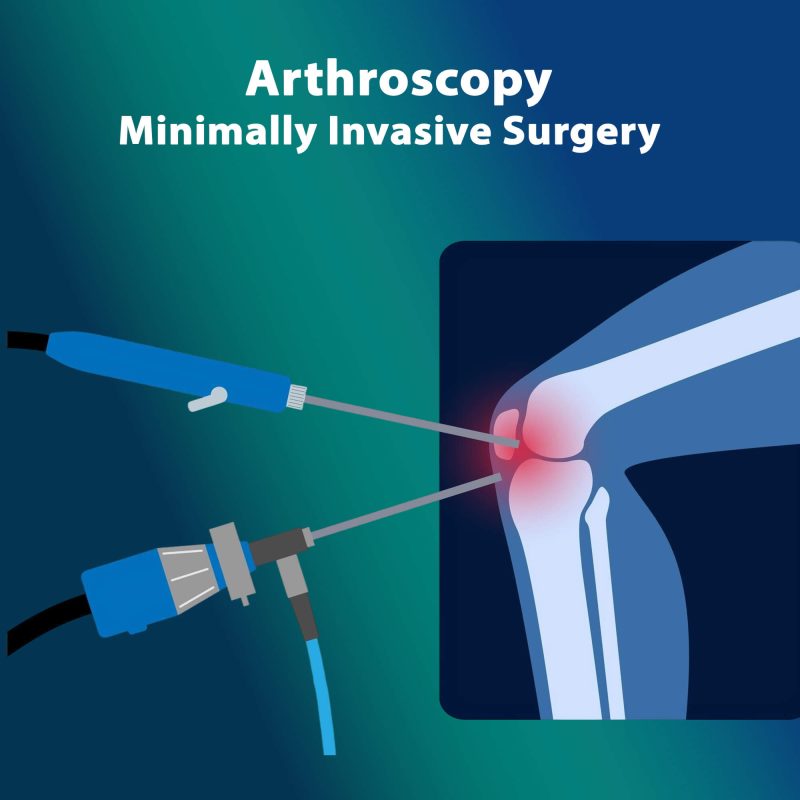
What Is Arthroscopy?
Common Conditions Arthroscopy Treats
Arthroscopy is used as a treatment for many joint issues. Key conditions include:
- Ligament injury: ACL, PCL, multi ligament injury, which cause instability of knee.
- Meniscus or Labral Injury: Meniscus tears in knee which cause pain and locking and labral tears in shoulder that cause pain and instability.
- Cartilage Injury: Wear and tear of joint due to mal-alignment, previous ligament injury or instability.
- Frozen Shoulder: Adhesive capsulitis can lead to a stiff shoulder and painful movement.
- Synovitis: The inflammation of the joint lining, which causes it to be stiff and painful.
- Cuff Tear: Causes pain and inability to lift arm and causes weakness of the involved limb.
In case you notice any of these conditions, consult our shoulder or knee arthroscopy doctor in Ahmedabad for evaluation and treatment.
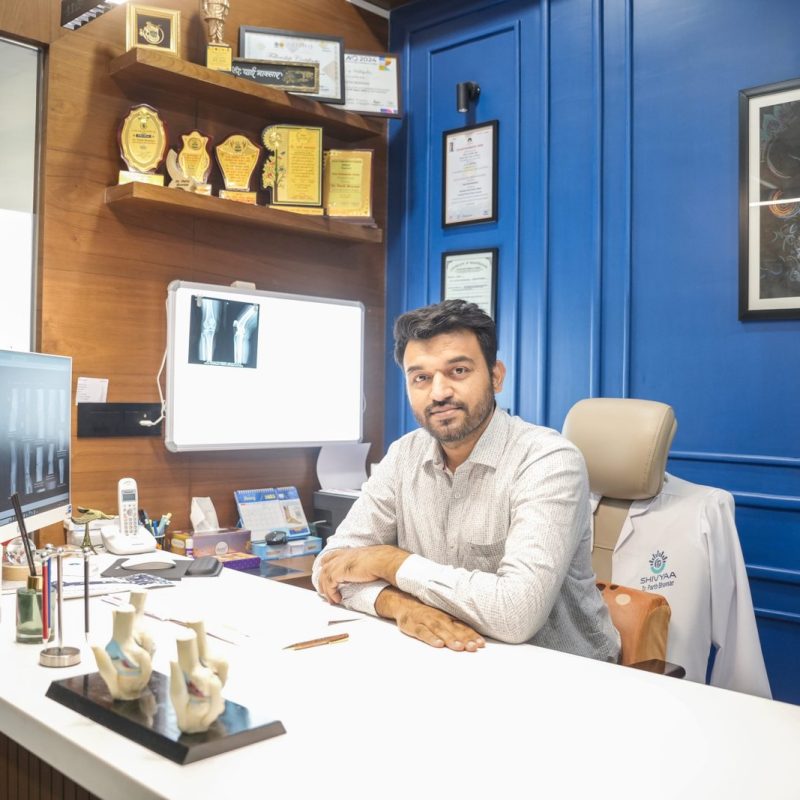
Dr. Parth Bhavsar
MS Orthopedics, FIAAS, FIHPAS
10+ years of excellence in Orthopedic care, combining experience with advanced surgical techniques to deliver trusted outcomes.
Specialist in Arthroscopy (Keyhole Surgery), Joint Replacement, and Sports Injury Management. Widely recognized for his precision, compassionate approach, and expertise in complex trauma treatment.
Professional Experience
Geetanjali Medical College & Hospital, Udaipur
- Ex - Senior Resident
- Ex - Assistant Professor
GMERS & Sola Civil Hospital, Ahmedabad
- Ex - Senior Resident
- Ex - Assistant Professor
Shalby Hospital, Ahmedabad
- Ex - Consultant – Orthopaedic, Arthroscopy & Joint Replacement Specialist
Types of Arthroscopy
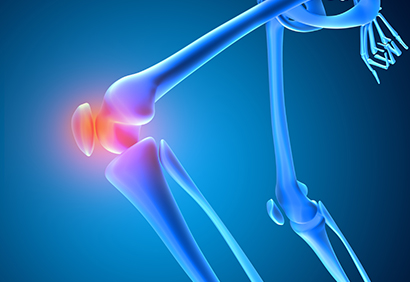
Knee Arthroscopy
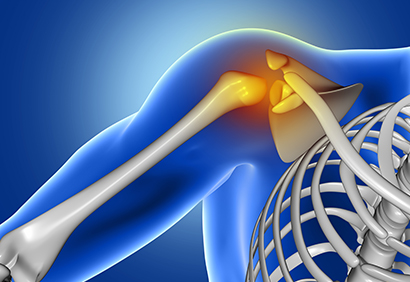
Shoulder Arthroscopy
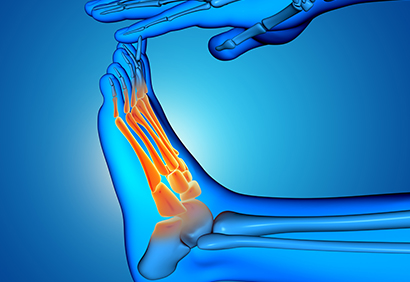
Ankle Arthroscopy
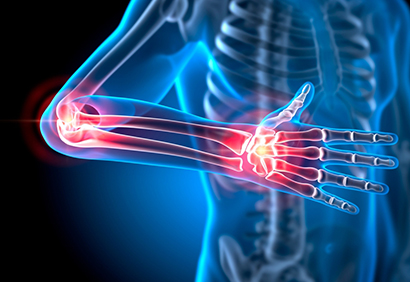
Elbow Arthroscopy
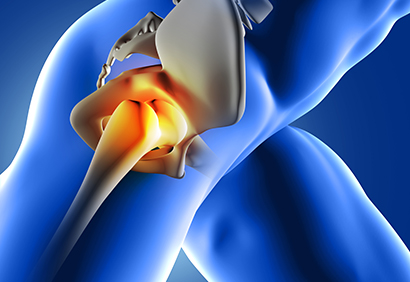
Hip Arthroscopy
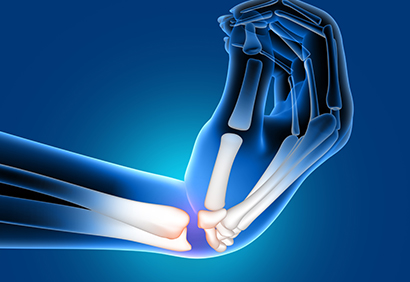
Wrist Arthroscopy
Benefits of Arthroscopy Over Open Joint Surgery
Faster Return to Activities
Arthroscopy also allows individuals to resume the usual dynamics earlier, when compared to open surgery, as there are fewer complicated cuts and the tissue is less destroyed.
Less Postoperative Pain
Arthroscopy is less intrusive, and therefore, individuals do not experience a lot of pain after the operation. The less invasive surgery results in less tissue destruction and inflammation than the traditional open joint surgery.
Little Loss of Blood and Scarring
Arthroscopy involves the use of small incisions so that the results can be less bleeding and almost no scarring. This assists individuals in healing anew and appearing to be more attractive.
Lower Risk of Complications
Since arthroscopy leaves the area tissues intact, arthroscopy minimizes the chances of infections and stiffness as well as other issues that may occur with an open joint surgery.
Best Arthroscopic Surgeon in Ahmedabad
Our Pre-Surgery Diagnostic Process
Our arthroscopy specialist in Ahmedabad use a systematic approach in order to be careful in treatment:
- Blood Tests: Basic blood panels that determine the overall health status and identify risks before surgery.
- Urinalysis: Identifies infections or kidney-related complications which can affect the safety of the anesthesia.
- X-rays: Reveal degeneration of the joints, bone spurs or structural damage, which are useful in the process of surgery planning.
- CT Scan & MRI: Gives a detailed outlook of bones, ligament, cartilage, and soft tissues to be able to intervene specifically.
- ECG: Scans the heart to see that it is safe to administer anesthesia in the operating room.
Our Targeted Treatment Philosophy
Arthroscopy of the knee and shoulders is done carefully to ensure recovery of the functions of the joints, alleviation of pain, and mobility enhancement. The process includes:
- Anesthesia: To prevent pain, regional or general anesthesia is to be administered without causing harm or discomfort to the patient.
- Joint Inspection: A small arthroscope is placed into the joint to observe the structures of the joint and determine damaged tissue.
- Tissue Repair or Removal: This involves the damaged cartilage, ligaments, or inflamed tissue under microscopic surgery done with miniature surgical instruments.
- Implant or Stabilization (where necessary): There are processes where small implants or fixation materials could be placed to provide stabilization in the joint.
- Closure: This involves using suture or surgical tape to close tiny incisions, and this allows easy healing with minimal scarring.
- Operation Time: On average, 1-2 hours, but this varies based on the type and degree of arthroscopic operation.
When to Seek Immediate Medical Care for Orthopedic Problems
01
Deformity or Abnormal Bone Mobility
02
Severe Joint Pain
03
Loss of Function
04
Neurological Symptoms
Road traffic accident or sports injury
Why Choose Shivyaa Hospital for Expert Care?
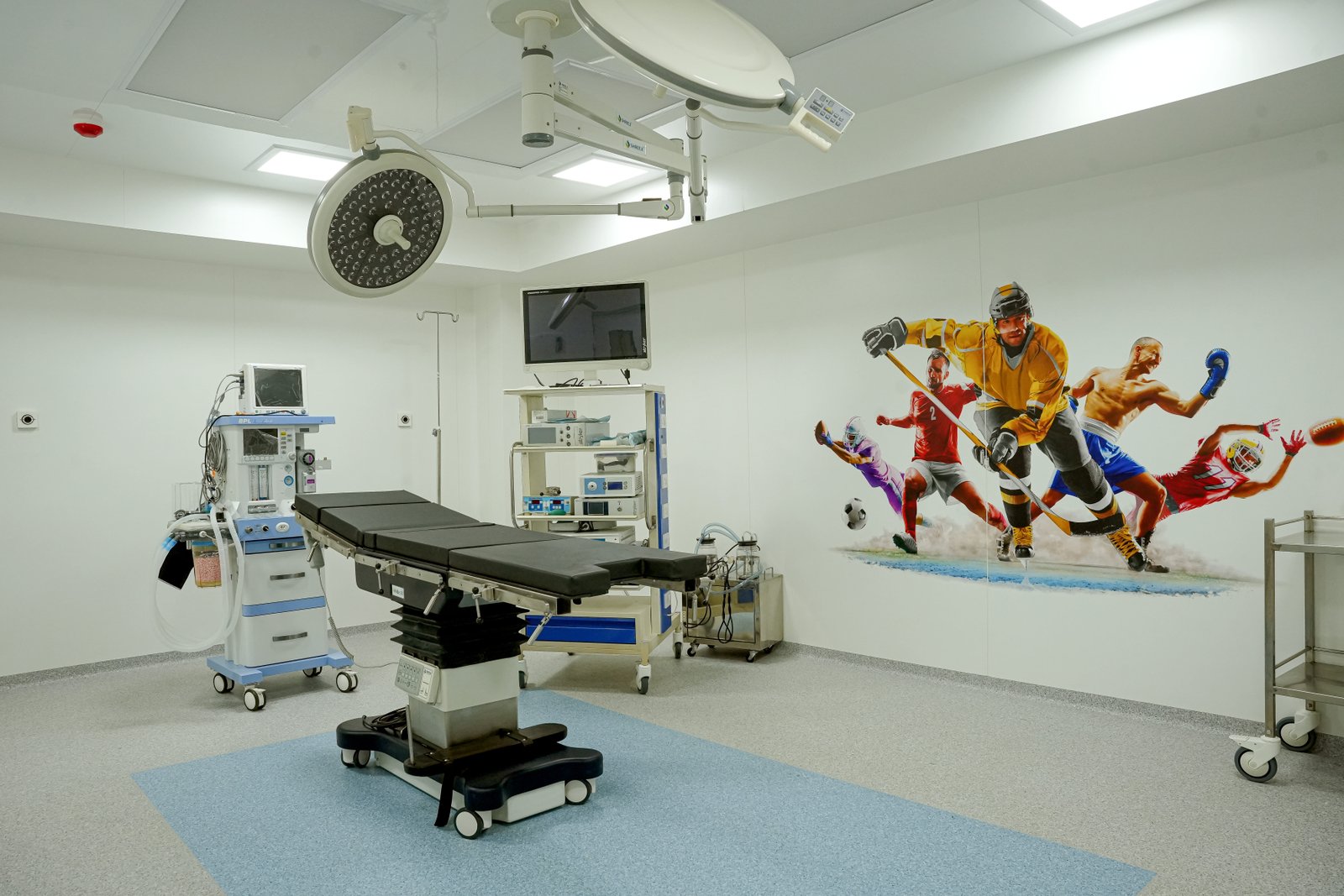
Advanced Diagnostic Technologies
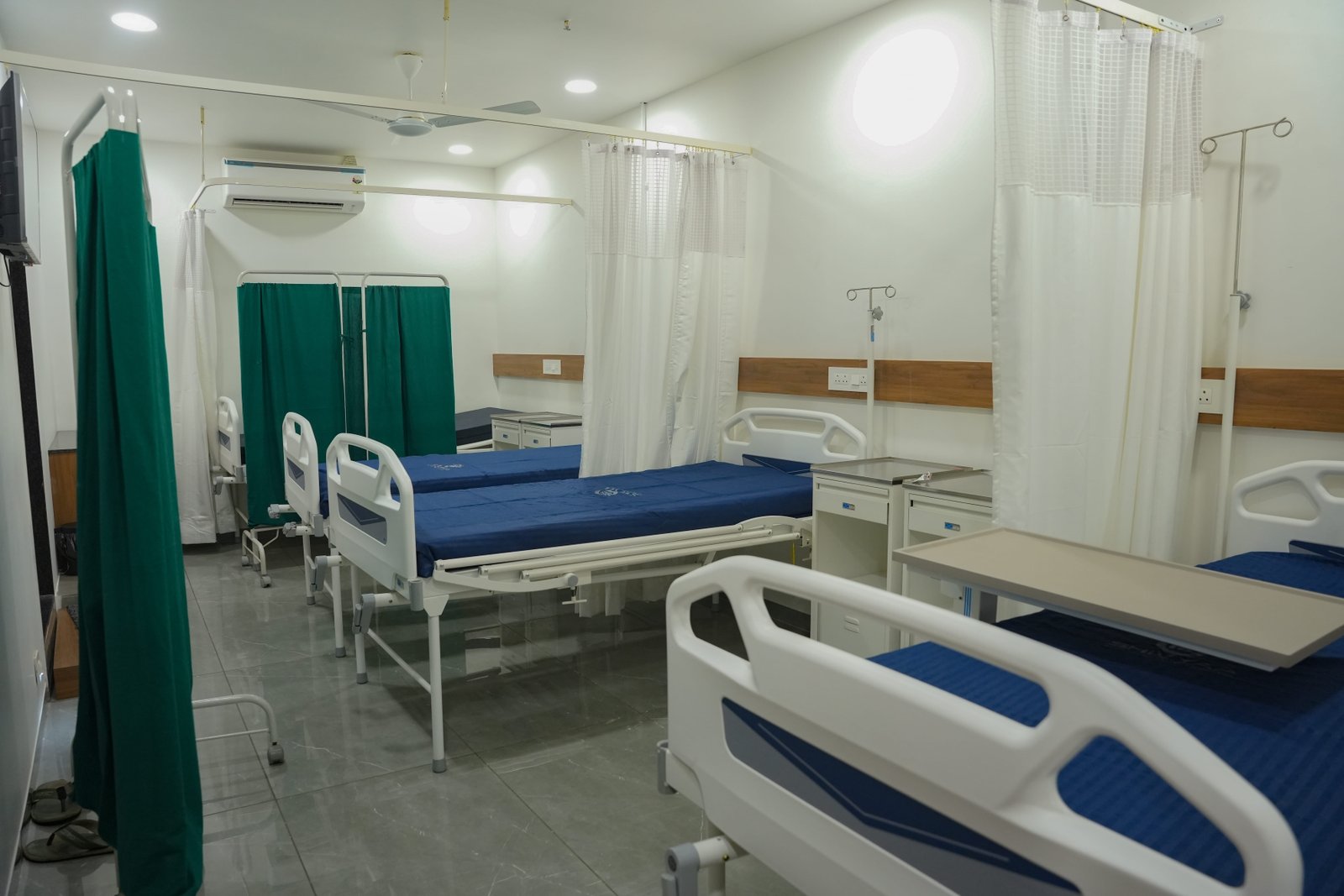
Personalized Treatment Plans
24/7 Emergency Services