What is Keratoconus?


Recognising Keratoconus: Key Signs & Symptoms
Early detection of Keratoconus is crucial for effective management. Be aware of these progressive visual changes:
- Vision Distortion: Straight lines appear wavy or bent, and objects look misshapen.
- Blurred & Double Vision: Progressive blurriness that isn't fully corrected with glasses, often with ghosting or double images.
- Light Sensitivity & Halos: Increased discomfort in bright light, with glaring halos around light sources at night.
- Frequent Prescription Changes: Needing new eyeglass prescriptions at every check-up is a major red flag.
Dr. Yatri Pandya Bhavsar
MS Ophthalmology, FCORS
Professional Experience
Dr. Nagpal’s Retina Foundation (Shahibaug)
- Cornea Consultant (Morning) — 10:00 am to 2:00 pm
Shivyaa Superspecialty Hospital (Gota)
- Cornea Consultant (Evening) — 02:30 pm to 06:30 pm
Dr. Nagpal’s Centre for Cornea, Navrangpura, Ahmedabad
- Ex - Associate Cornea Consultant
GMERS Medical College & Sola Civil Hospital, Ahmedabad
- Ex - Senior Resident

Stages of Keratoconus & Their Clinical Management
Early Keratoconus

Moderate Keratoconus

Advanced Keratoconus

Severe Keratoconus
Potential Complications of Keratoconus
Corneal Scarring
Progressive thinning and bulging can cause fine lines in the Cornea, which may develop into significant scars. This scarring directly scatters light, reducing vision quality even with specialized contact lenses.
Corneal Hydrops
In advanced cases, the Cornea's inner lining can tear, allowing fluid to rush in and cause sudden, painful swelling. While this typically resolves over months, it often leaves behind significant Corneal scarring that further impairs Vision.
Vision Impairment
The condition naturally leads to deteriorating Eyesight. Without proper management, this can progress from correctable blurriness to severe, permanent Vision loss that significantly impacts daily activities like driving and reading.
Contact Lens Intolerance
As the Cornea becomes increasingly irregular, many patients can no longer tolerate rigid Contact Lenses — the primary Vision correction method for moderate to advanced Keratoconus — creating a challenging treatment gap.
Diagnosis & Treatment at Shivyaa Hospital
Our Diagnostic Process
We precisely map your corneal health using advanced imaging technology and clinical expertise for accurate keratoconus management and personalized treatment planning.
- Corneal Topography & Tomography: Advanced imaging creates detailed 3D corneal maps, revealing early signs of steepening and thinning characteristic of keratoconus progression.
- Comprehensive Vision Assessment: We evaluate glare sensitivity, contrast vision, and prescription stability beyond standard charts to understand your daily visual challenges.
- Specialized Contact Lens Fitting: We precisely fit rigid gas permeable or scleral lenses to create a smooth optical surface for clearer vision.
Our Targeted Treatment Philosophy
We tailor treatment to your condition's stage and progression rate, focusing on both vision correction and disease stabilization.
- Corneal Cross-Linking (CXL): This minimally invasive procedure strengthens corneal collagen fibers using UV light and riboflavin to stop keratoconus progression.
- Advanced Vision Correction: We specialize in custom contact lenses and intracorneal ring segments to improve vision by reshaping the corneal surface.
- Surgical Excellence: Our surgeons perform advanced partial-thickness corneal transplants for severe cases, ensuring faster recovery and better visual outcomes.
When to Seek Medical Attention for Eye Problems
01
Severe Pain
02
Vision Loss
03
Redness & Swelling
04
Eye Trauma
Flashes & Floaters
Why Choose Shivyaa Hospital for Expert Care?
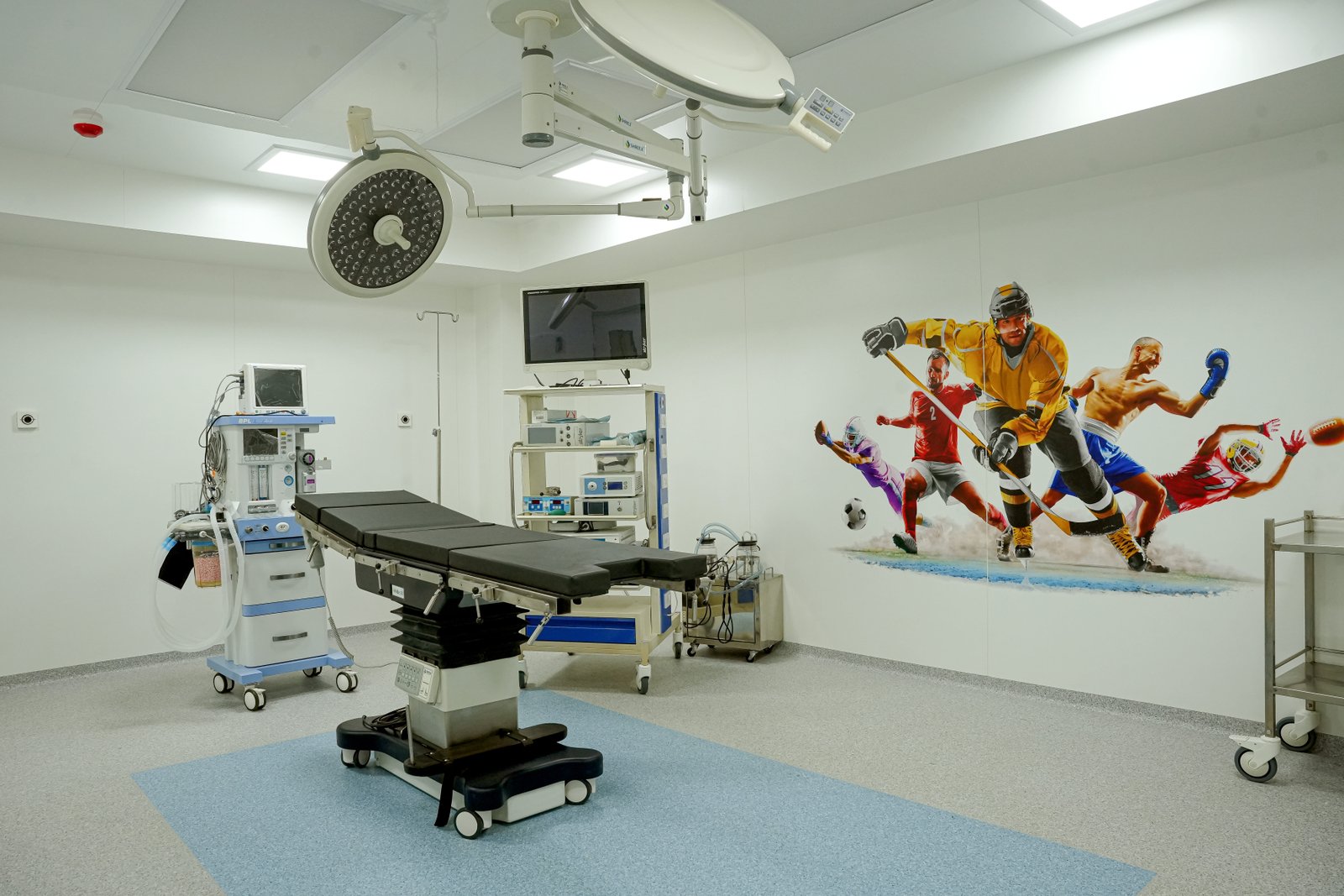
Advanced Diagnostic Technologies
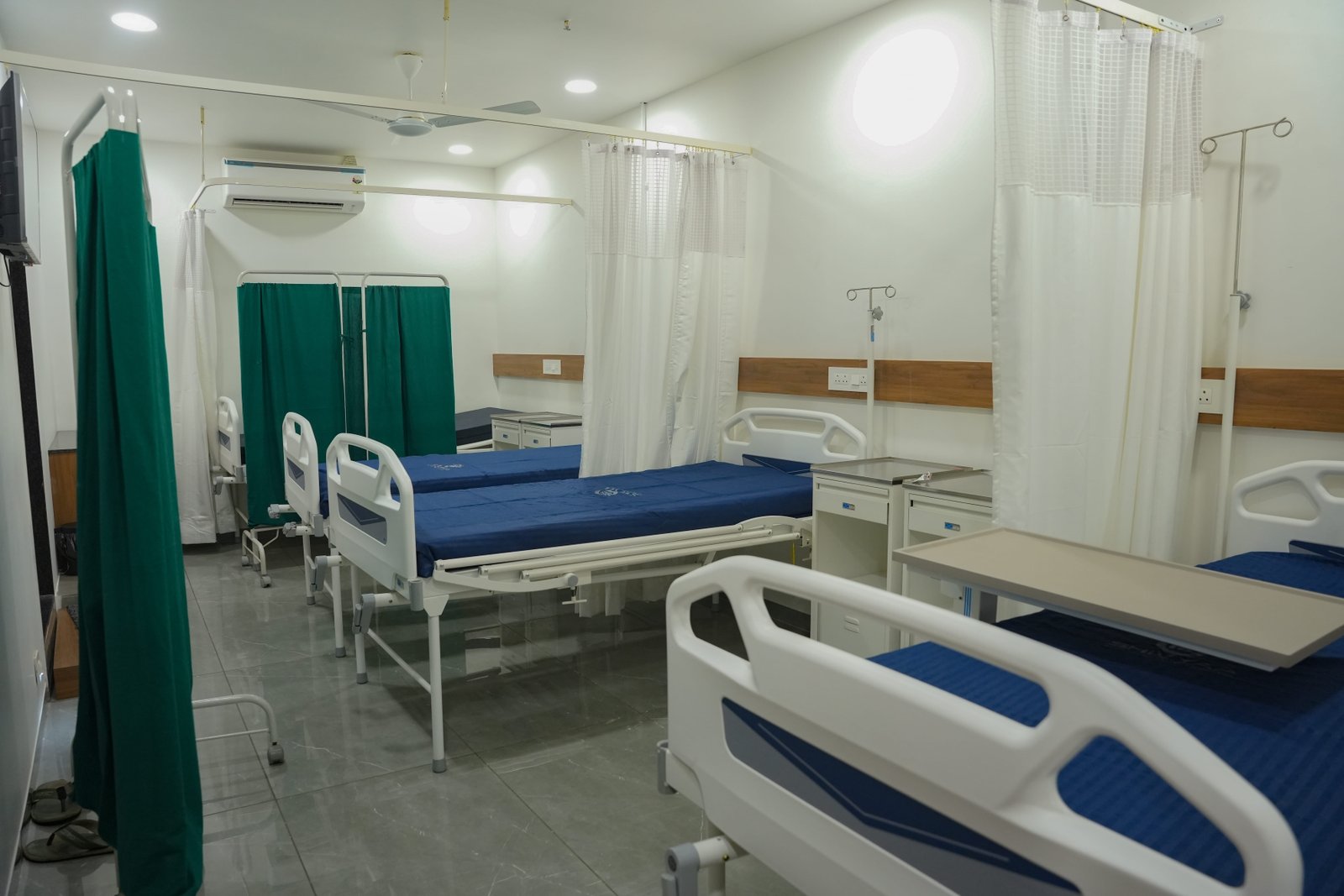
Personalized Treatment Plans

24/7 Emergency Services