What is Conjunctivitis?
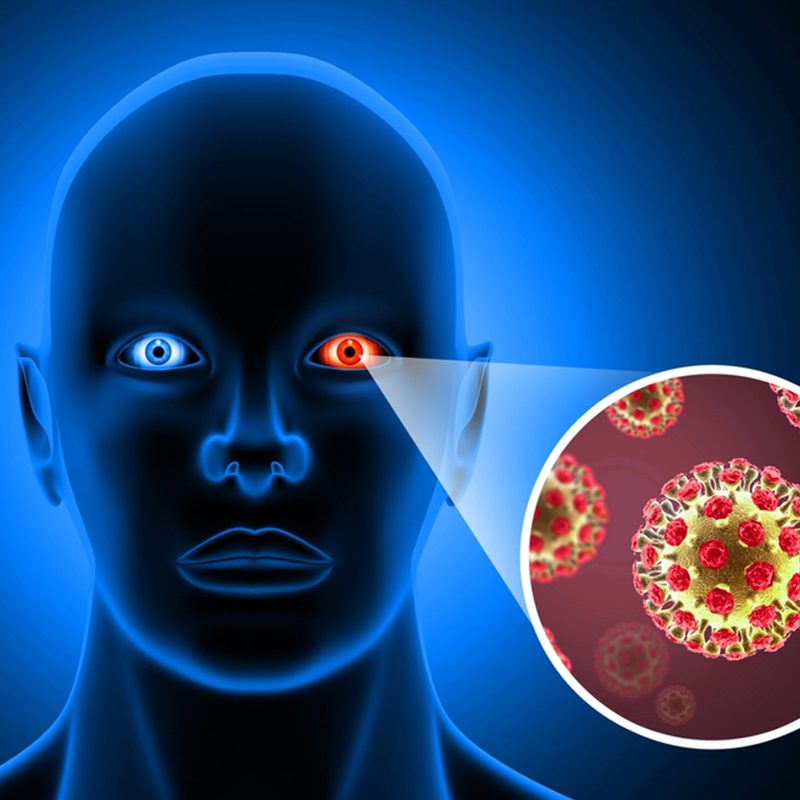
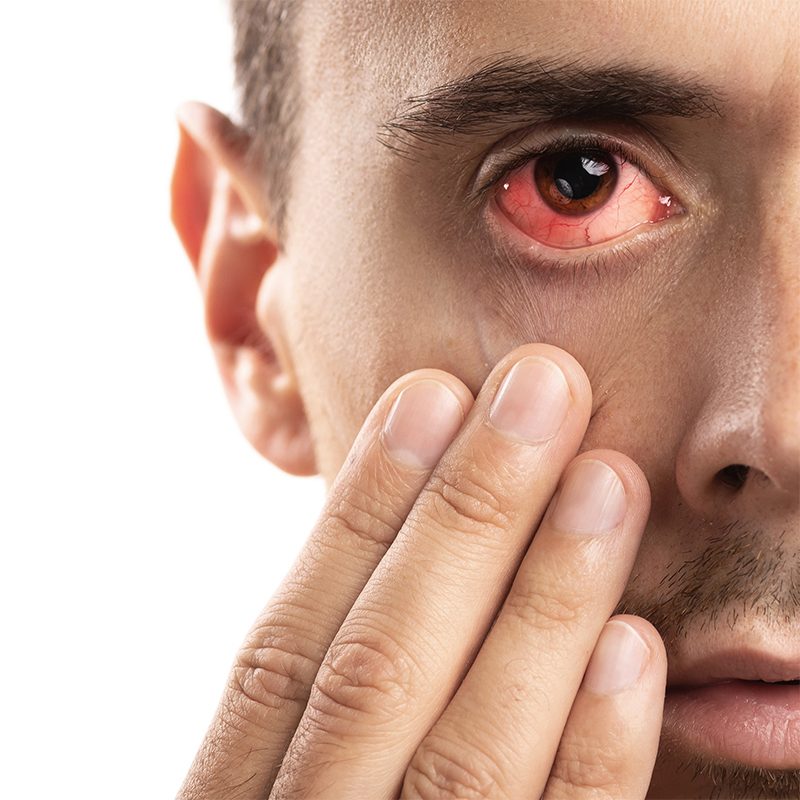
Identifying Conjunctivitis: Key Signs & Symptoms
It is important to identify Conjunctivitis at an early stage so that it can be managed. Observe the following typical symptoms:
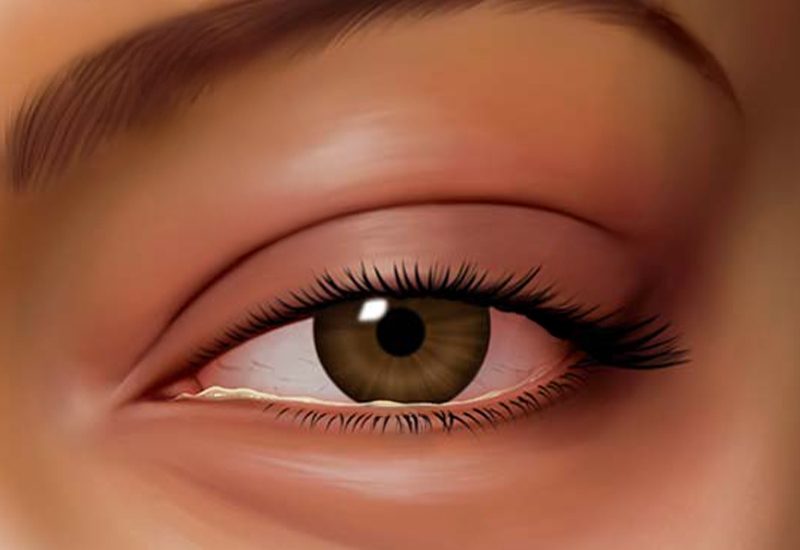
- Visible Redness: A pink or red in the eye white.
- Eye Discharge: Yellow or greenish pus, which can crust eyelids at night.
- Gritty Sensation: Constant sensation of sand or foreign body in the eye.
- Watery Eyes: Excessive watery eyes and moisture.
- Itchiness & Irritation: Longstanding itchiness and burning.
- Swollen Eyelids: Dark to moderate puffiness of eyes.
- A vision Change: Momentary blurred vision and sensitivity to light.
Dr. Yatri Pandya Bhavsar
MS Ophthalmology, FCORS
Professional Experience
Dr. Nagpal’s Retina Foundation (Shahibaug)
- Cornea Consultant (Morning) — 10:00 am to 2:00 pm
Shivyaa Superspecialty Hospital (Gota)
- Cornea Consultant (Evening) — 02:30 pm to 06:30 pm
Dr. Nagpal’s Centre for Cornea, Navrangpura, Ahmedabad
- Ex - Associate Cornea Consultant
GMERS Medical College & Sola Civil Hospital, Ahmedabad
- Ex - Senior Resident

Different Types of Conjunctivitis & Treatment
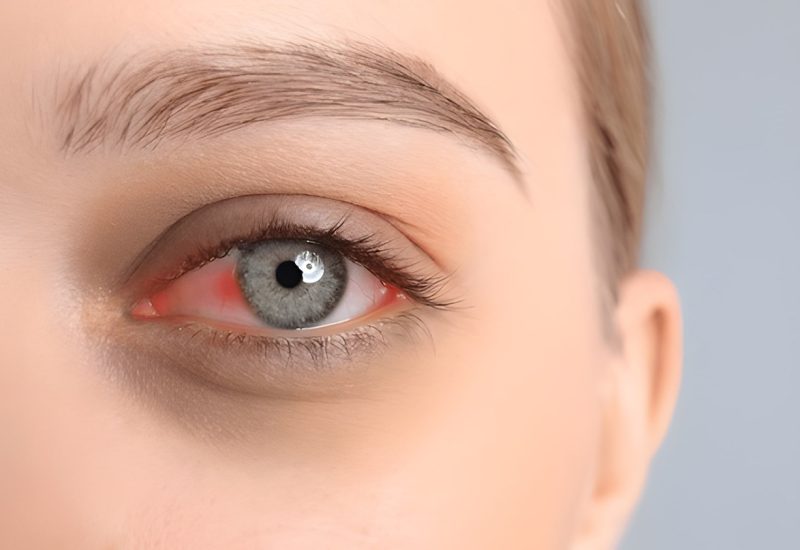
Viral Conjunctivitis
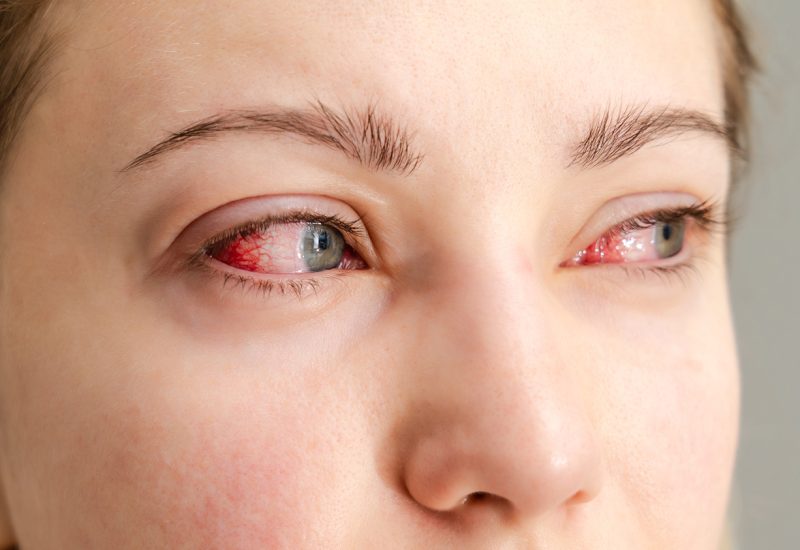
Bacterial Conjunctivitis
Allergic Conjunctivitis
How Conjunctivitis Spreads
Direct Hand-to-Eye Contact
The most common route. Touching contaminated surfaces like doorknobs or keyboards, then rubbing your eyes, introduces pathogens directly to the conjunctiva.
Respiratory Droplets
Viral conjunctivitis often travels via microscopic droplets from coughs or sneezes, similar to the common cold.
Shared Personal Items
Towels, pillowcases, eye makeup, and even shared sunglasses can harbor infectious discharge, transferring bacteria or viruses between users.
Contaminated Surfaces
The virus can survive on surfaces for hours. Offices, schools, and public spaces become transmission hotspots without proper disinfection.
Insufficient Hand Hygiene
Inadequate hand washing after face contact allows pathogens to spread from person to person through handshakes or shared objects.
Diagnosis & Treatment at Shivyaa Hospital
Our Diagnostic Process
The first requirement of a speedy recovery is a correct diagnosis. Our method is thorough but is done in an easy way.
- Complete Eye Examination: Our specialists will carefully check your eyes, checking their redness, discharge, and swelling under high magnification.
- Detailed Symptom Discussion: You will be actively heard, and we will pay attention to when the symptoms have appeared, the nature of the discomfort, and possible exposures.
- Further Laboratory Testing (where needed): In discharge cases, a short and painless swab can be taken. This eye test in diagnosing conjunctivitis enables us to treat the disease with the right kind of medication, besides avoiding unnecessary use of antibiotics in cases that are viral.
Our Targeted Treatment Philosophy
Based on our diagnosis, we develop a customized treatment program that will help to relieve the symptoms and eliminate the infection.
- Bacterial Conjunctivitis: We provide antibiotic eye drops or ointments, which are very effective in destroying the infection, reducing the amount of contagion, and preventing.
- Viral Conjunctivitis: Viruses have to have their way, but we are focused on how you feel. We suggest the use of such supportive measures as cool compresses and lubricating drops to help with symptoms during the healing process.
- Allergic Conjunctivitis: We offer relief by identifying triggers and prescribe advanced antihistamine or anti-inflammatory eye drops to alleviate itchiness and reduce rapid reddening.
When to Seek Medical Attention for Eye Problems
01
Severe Pain
02
Vision Loss
03
Redness & Swelling
04
Eye Trauma
Flashes & Floaters
Why Choose Shivyaa Hospital for Expert Care?
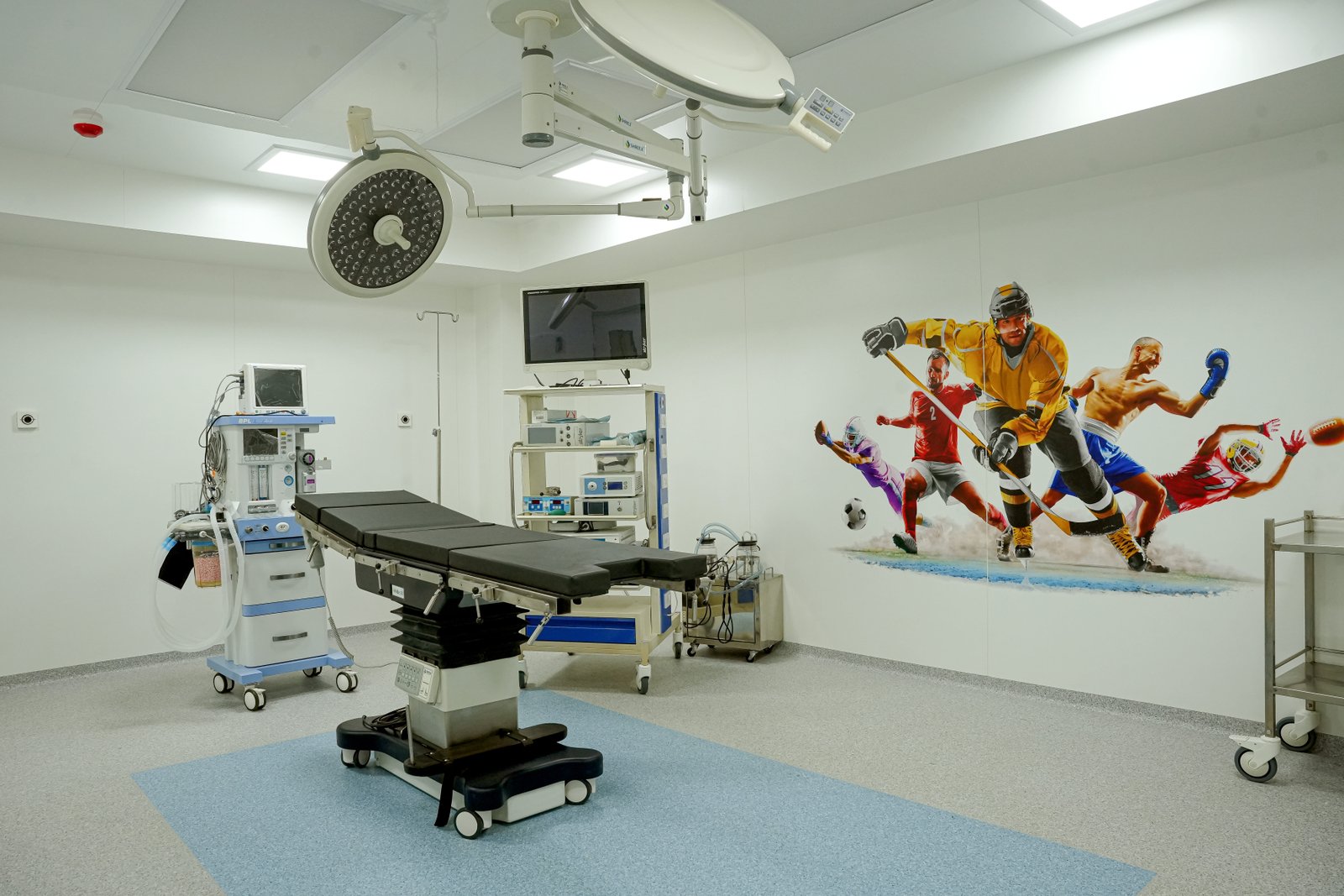
Advanced Diagnostic Technologies

Personalized Treatment Plans

24/7 Emergency Services