What Are Sports Injuries?
Identifying Sports Injury Symptoms
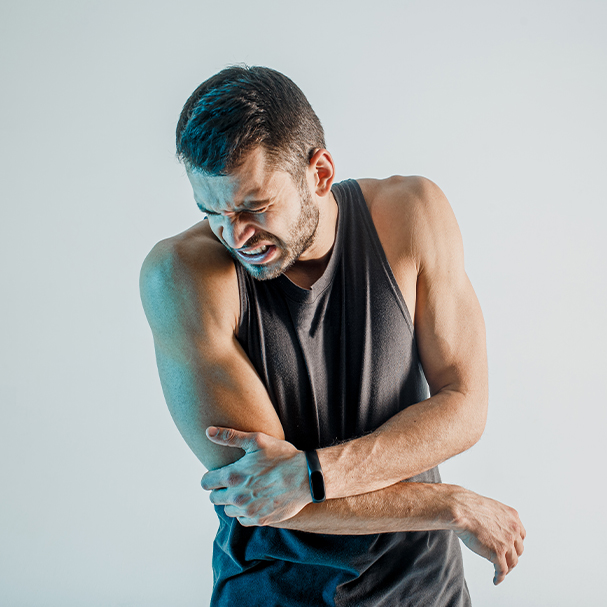
Early detection of sports injuries contributes towards quicker recovery. The typical indicators that something is amiss are listed below:
- Sharp or dull pain in muscles or bones; can be sudden or persistent.
- Easy to see swelling, bruises or change of colour around the affected region.
- Deformity or misalignment — the bone or joint may look “out of place.”
- Difficulty moving or bearing weight — walking, lifting, or putting pressure is hard.
- Lack of strength or instability particularly in a joint during movement.
- Limited range of motion; the joint doesn’t move as freely as before.
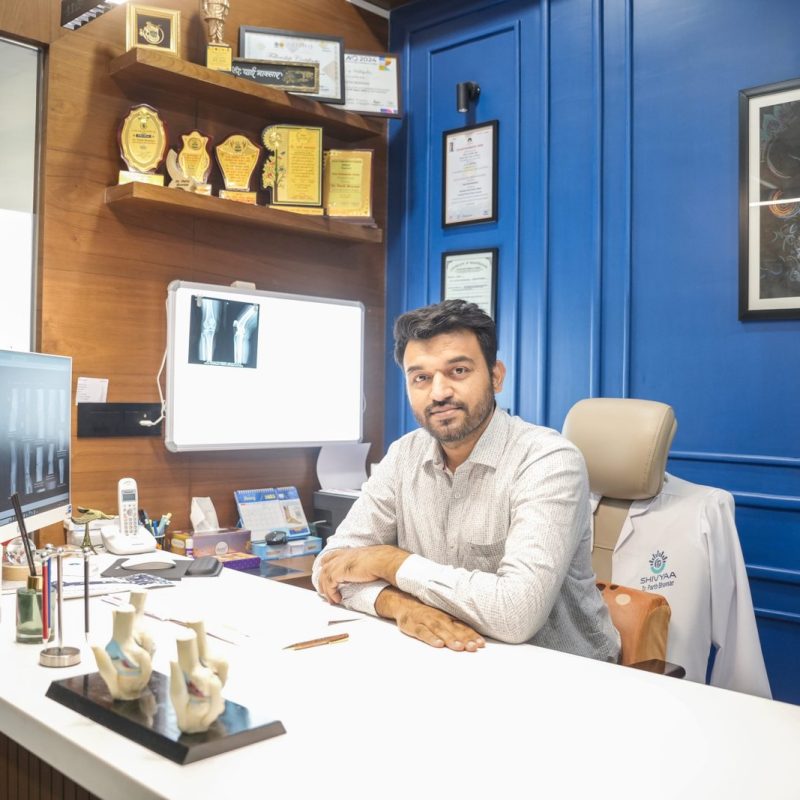
Dr. Parth Bhavsar
MS Orthopedics, FIAAS, FIHPAS
10+ years of excellence in Orthopedic care, combining experience with advanced surgical techniques to deliver trusted outcomes.
Specialist in Arthroscopy (Keyhole Surgery), Joint Replacement, and Sports Injury Management. Widely recognized for his precision, compassionate approach, and expertise in complex trauma treatment.
Professional Experience
Geetanjali Medical College & Hospital, Udaipur
- Ex - Senior Resident
- Ex - Assistant Professor
GMERS & Sola Civil Hospital, Ahmedabad
- Ex - Senior Resident
- Ex - Assistant Professor
Shalby Hospital, Ahmedabad
- Ex - Consultant – Orthopaedic, Arthroscopy & Joint Replacement Specialist
Different Types of Sports Injuries
Tendinitis
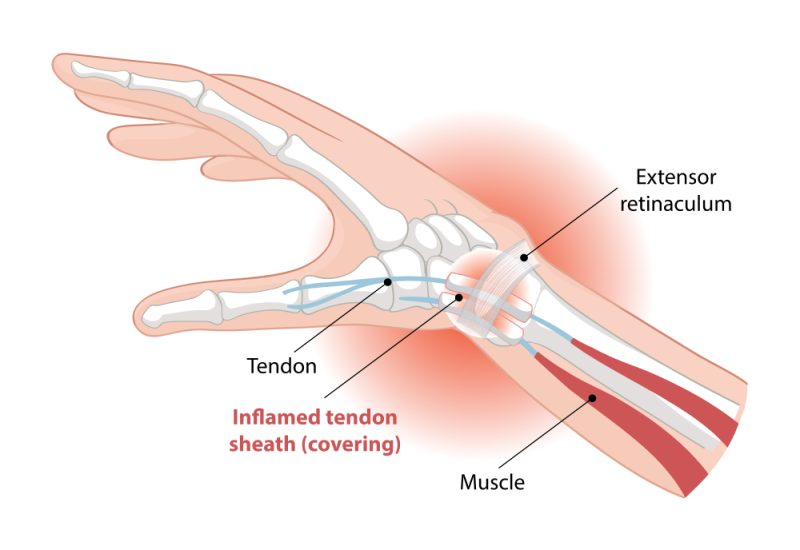
Chronic (Overuse) Injuries
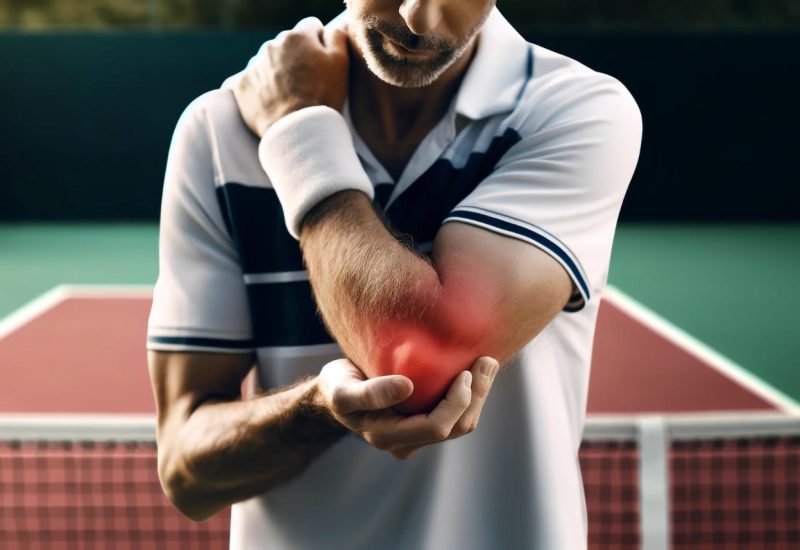
Fractures
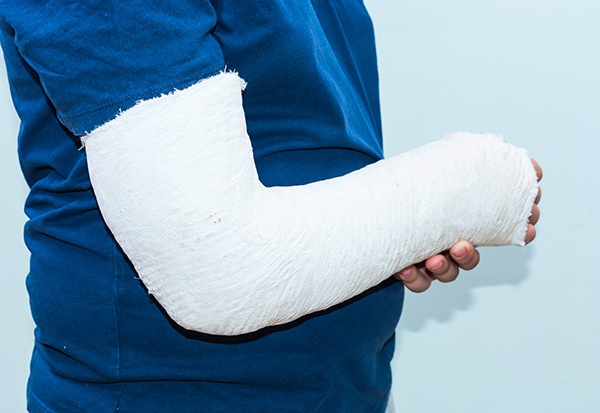
Minor Soft Tissue Injuries
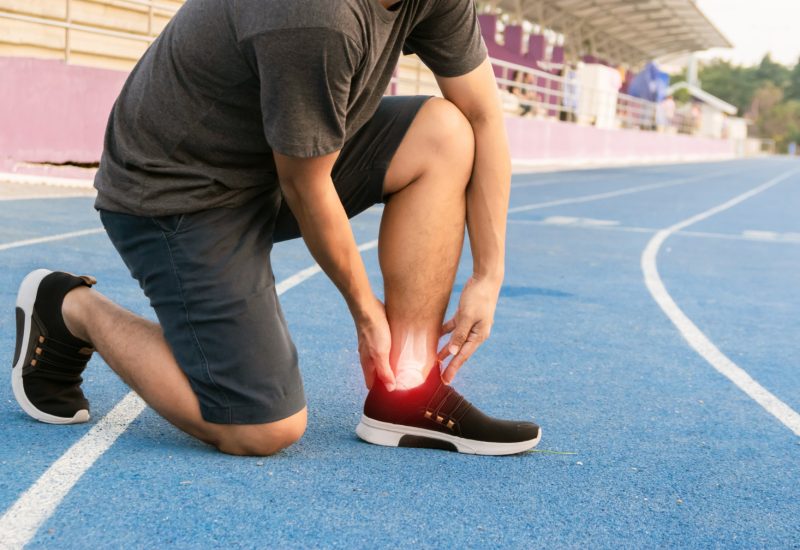
Severe Soft Tissue Injuries
Concussions
Most Commonly Injured Body Parts in Sports Injuries
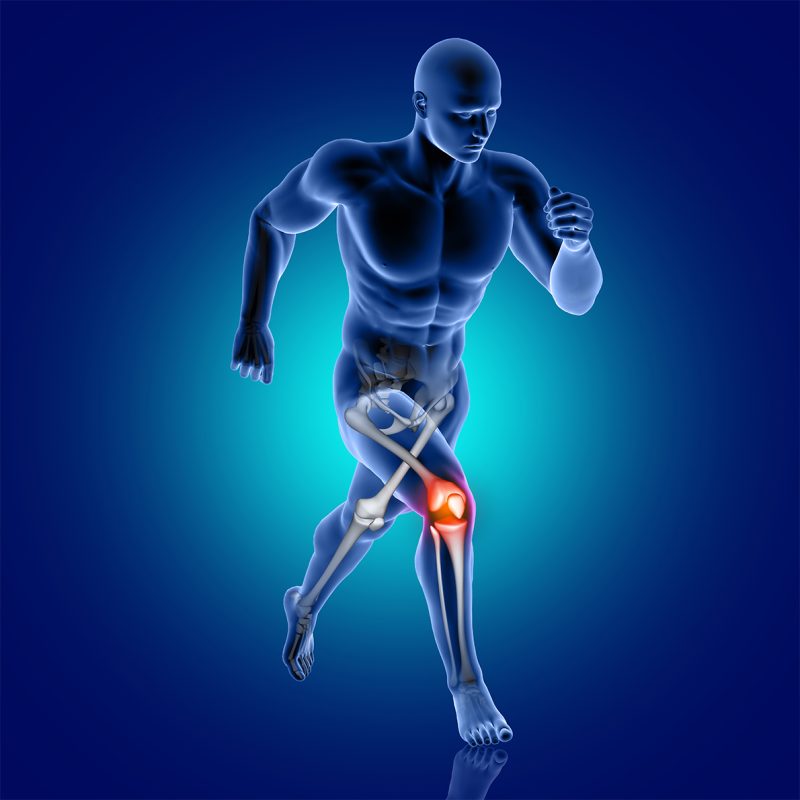
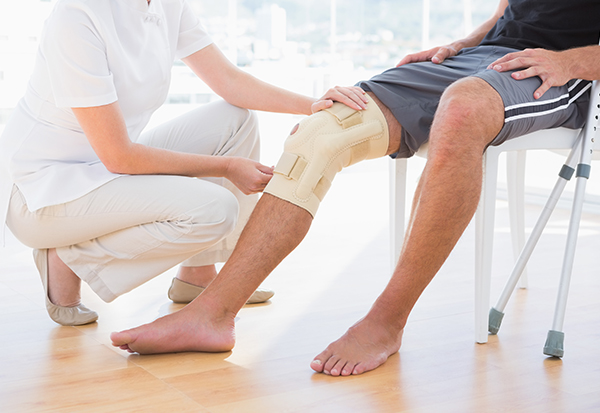
Knee Joint
Knee ACL tears, meniscus injury and patellar tendinitis are likely. Pain, swelling, and restricted movement may be the results of sudden twists, running, or jumping.
Ankle Joint
Running or pivoting sports involve ankle sprains, fractures, and rupture of the ligaments. Recurrent sports injuries are avoided through proper technique, support and rehabilitation.
Shoulder Joint
Rotator cuff tears, dislocations, and tendinitis are also examples of shoulder-related injuries caused by the repetitive overhead actions in the swimming, tennis, and throwing sports.
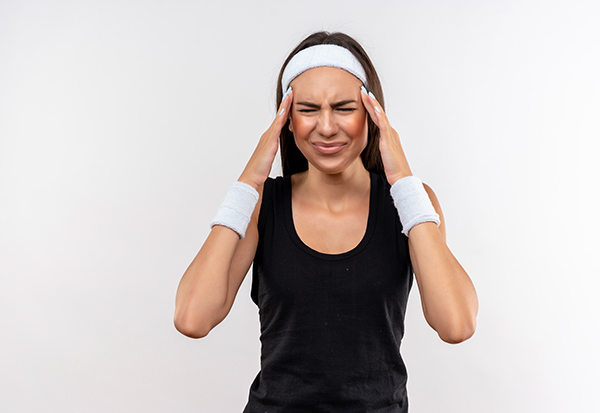
Head and Neck
Contact sports lead to head and neck injuries, including concussions, whiplash, or small trauma and result in dizziness, headaches, nausea, and balance issues that need to be treated as soon as possible.
Elbow Joint
Elbows experience injuries such as tennis elbow, golfer's elbow, and bursitis that are overuse. Monotonous arm activity leads to pain, related swelling, as well as limited movement, which may require rest or treatment.
Leg Muscles
During sprinting or jumping, leg muscle strains such as hamstrings, quadriceps as well and calf injuries take place. Excess, exhaustion or insufficient warm-up aggravates the risk of these sports injuries.
Achilles Tendon
When one runs or jumps, it may cause tendinitis or rupture of the Achilles tendon. Early intervention alleviates persistent pain and eliminates the mobility issues in the long run.
Wrist and Hand
The injuries of the wrist or hand in gymnastics, basketball, or falls are fractures, sprains, and tears of the ligaments. Injury can be minimized through proper technique and strengthening.
Best Sports Injury Specialist in Ahmedabad
Our Diagnostic Process
Good treatment greatly depends on good diagnosis. Our sports injury doctor employs a combination of physical examinations and imaging techniques to assess the injury.
- Physical Examination: An examination of swelling tenderness range of motion and injury history are all evaluated.
- X-rays: Reveal fractures, dislocations as well as joint misalignments with speed and efficiency.
- MRI (Magnetic Resonance Imaging): MRI provides detailed images of muscles, tendons, ligaments, and soft tissue injuries.
- CT Scans: CT scans produce 3D images for complex fractures or internal tissue injuries.
Our Targeted Treatment Philosophy
The kind of injury requires different kinds of treatment depending on the severity of the injury. The first form of management is generally conservative in nature and proceeds to more specialized treatment as the disease advances.
- R.I.C.E. Method: Rest, Ice, Compression, and Elevation reduces swelling and provides early pain relief.
- Pain Management: OTC or prescription pain and inflammation drugs are used to manage the condition of pain and inflammation safely.
- Closed Reduction: Manual realignment of displaced bones or joints prevents further damage.
- Surgery: Surgical repair is needed for severe fractures, tears, or complex injuries.
- Immobilization: Casts or splints are used to support the injury in order to allow it to heal.
- Rehabilitation: Physical therapy restores strength, flexibility, and joint function after injury.
When to Seek Immediate Medical Care for Orthopedic Problems
01
Deformity or Abnormal Bone Mobility
02
Severe Joint Pain
03
Loss of Function
04
Neurological Symptoms
Road traffic accident or sports injury
Why Choose Shivyaa Hospital for Expert Care?
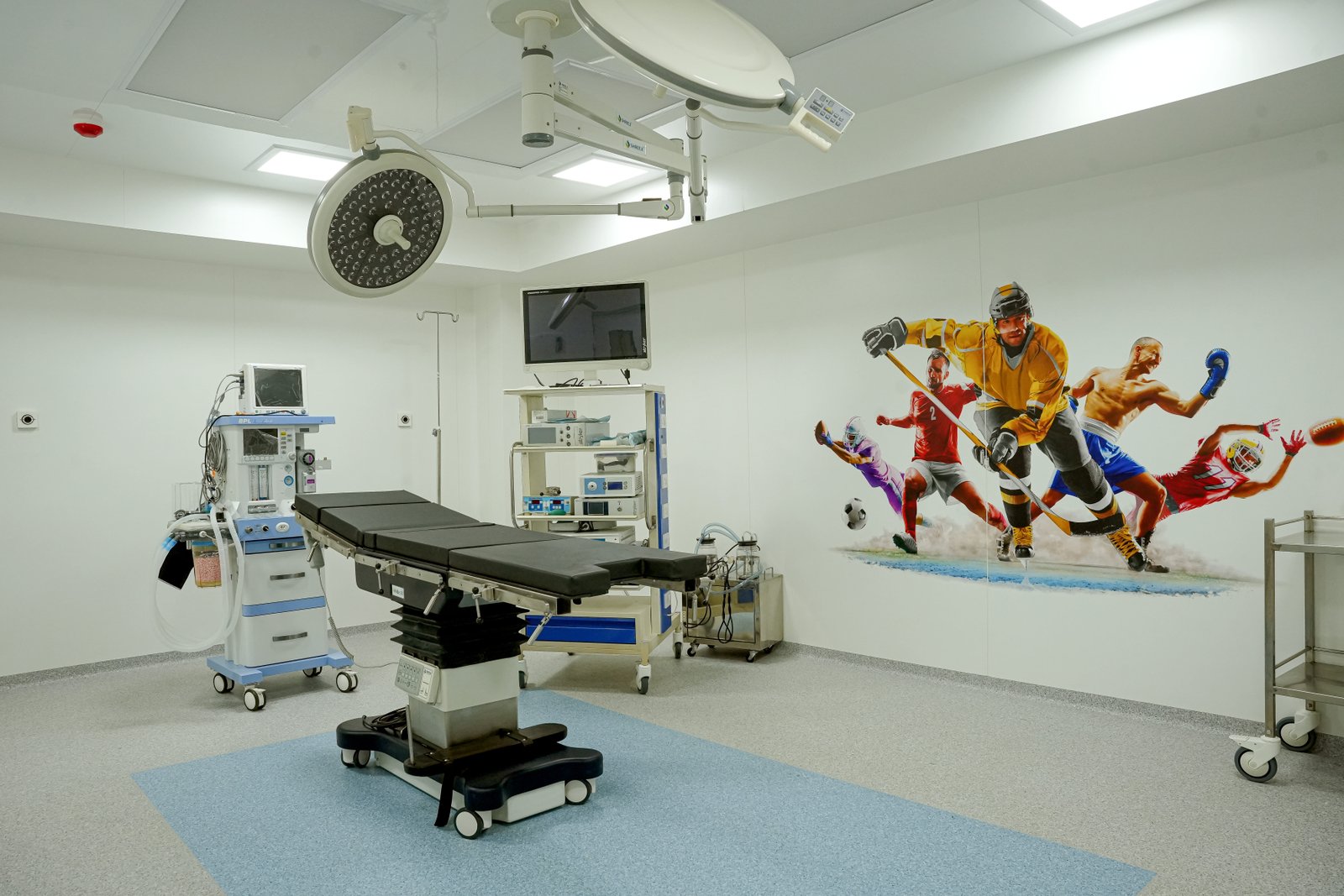
Advanced Diagnostic Technologies
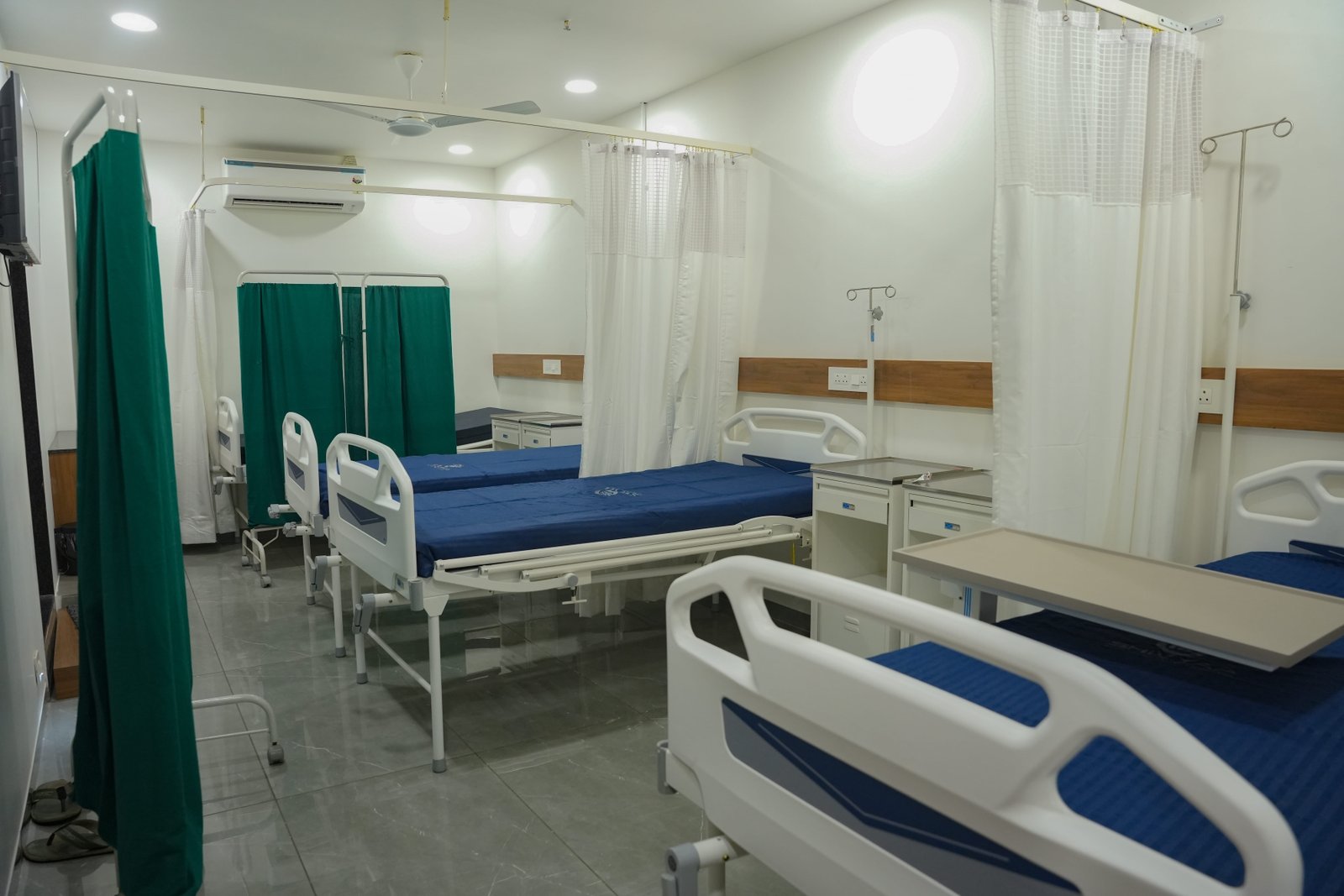
Personalized Treatment Plans

24/7 Emergency Services